
What to Expect During Your First Clinical Massage

If you are thinking about booking your first massage session and feeling unsure about what will happen, that makes sense.
A lot of people come in with questions. Some have only experienced spa massage. Others have never had bodywork at all. Clinical massage is different, and it helps to know what you are walking into.
This post is meant to give you a clear picture of what to expect in your first massage session with David Holden LMT in Gresham, Oregon.
No guesswork. No fluff.

How This Kind of Massage Therapy Works
My work is focused on pain patterns, movement limits, and how the body adapts over time.
I am not following a routine. I am paying attention to what your tissue shows once hands are on. That is where most of the useful information comes from.
Massage therapy here is structured and deliberate. The pace is calm. The goal is accuracy, not intensity.
This approach is especially helpful for people dealing with chronic pain, injury recovery, postural strain, athletic overuse, or long standing muscle tension that keeps coming back.
Before Your Session: Getting Oriented
When you arrive, you will start with a brief intake form. It covers the basics.
Where you hurt. What movements feel limited. Any injuries or surgeries that still matter. How your day to day life affects your body.

You can also note:
Pressure preferences
Areas you want addressed or avoided
Past experiences with massage therapy
Wear comfortable clothes. Skip perfume or cologne. The treatment space stays neutral on purpose.
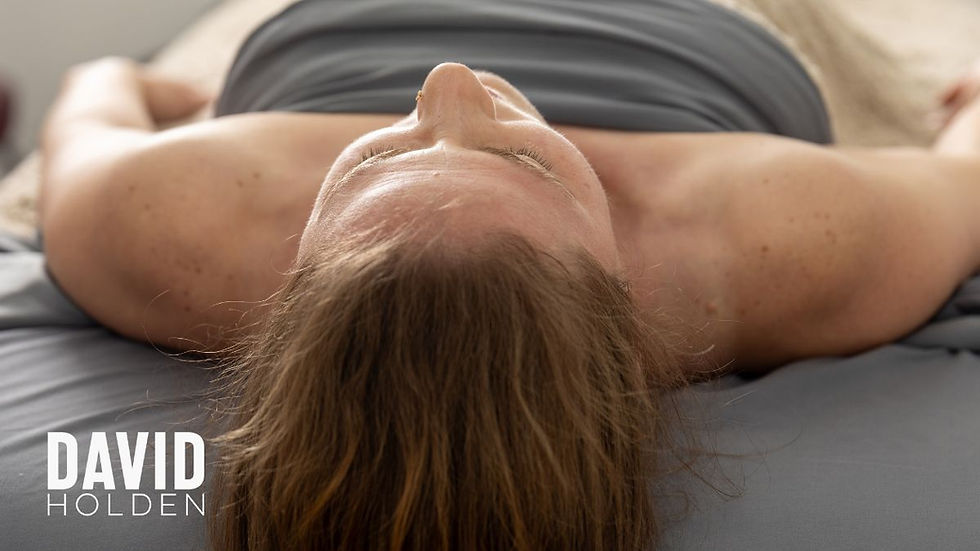
Once in the room, you undress to your comfort level and lie under the sheet. You stay professionally draped the entire time.
There are no surprises here.
During the Session: What Actually Happens
The session starts quietly.
I begin by feeling how your tissue responds. Texture, resistance, temperature, and movement all matter. This is how evidence based massage therapy techniques are applied in real time.
If you are dealing with neck pain, back pain, or sciatica, the work may focus on areas that are compensating rather than just the place that hurts.
Depending on what shows up, the session may include deep tissue work, trigger point therapy, myofascial release, or therapeutic techniques for injury recovery. The approach follows the tissue, not a predetermined sequence.
Pressure is adjusted as needed. I check in when necessary, but you are not expected to talk. Many people rest quietly. Others ask questions. Both are fine.
The work is steady and repeatable. I am not trying to force change. I am responding to what the body allows.
Deep Tissue Massage and Long Standing Tension
Deep tissue massage here is used to address patterns that have built over time.
This includes postural pain, desk related shoulder tension, hip and low back dysfunction, and areas where the body has been guarding for a long while.
Deep tissue work is especially useful for back pain, sciatica, and shoulder tension - anywhere the body has been quietly compensating for longer than it should.
Some sensations are intense. They should never feel chaotic or overwhelming. Tissue change tends to happen gradually as the nervous system settles.
Sports Massage for Active Bodies
Sports massage is not only for competitive athletes.
Runners, lifters, cyclists, and people with physically demanding jobs all carry repetitive load. Over time, that load shows up as restricted movement or recurring strain.
Sports massage supports recovery for athletes and active people alike. Strains, overuse injuries, and recurring tightness all respond well to consistent work.
For active bodies, consistency matters more than pushing hard in a single session. Regular care helps tissues adapt instead of compensate.
Massage Therapy for Pain, Mobility, and Recovery
When joints feel stiff or movement feels limited, the surrounding tissue often plays a role.
Muscle holding, fascial restriction, and compensation patterns can all limit range of motion in ways that have nothing to do with the joint itself.
This kind of work is useful for hip flexor tightness, limited range of motion, plantar fasciitis, and recovery support alongside physical therapy. If you're already working with a PT, massage often helps the body respond more smoothly to what they're asking of it.
Massage does not replace physical therapy. It makes the work your body is already doing easier to build on.
Nervous System Regulation and Stress Related Pain
Stress changes how the body holds itself.
Breathing gets shallow. Muscles stay engaged longer than they need to. Pain becomes easier to trigger.
Massage therapy for stress and nervous system regulation focuses on helping the body downshift without stimulation or emotional pressure.
This kind of work addresses tension-related pain, stress-driven muscle holding, and the chronic low-grade activation that makes everything hurt more than it should.
Clients often notice changes in sleep, breathing, or general steadiness over time. These shifts tend to build with regular sessions.
After the Session: What to Expect
After your session, things may continue to change for a day or two.
Some people feel lighter. Some feel sore in a way that resembles post-exercise fatigue. Others notice changes in how they move or stand.
Simple aftercare helps:
Drink water
Keep movement light for the rest of the day
Pay attention to how your body responds
I may share brief observations about what showed up and what patterns seem to be contributing. Education replaces guesswork here.
Your First Session Is a Starting Point
There is no perfect first massage.
There is only accurate attention applied to where your body is right now.
My work is based on paying close attention, applying pressure where it belongs, and letting change happen through consistency rather than force.
That is how massage therapy creates lasting relief.
Serving Gresham and Nearby Communities
David Holden LMT works with clients throughout Gresham, Oregon, including Rockwood, Downtown Gresham, Powell Valley, and surrounding areas. Many clients manage physical work, training demands, or long commutes. The work reflects those realities.
If you've been putting it off, this is a good place to start.


Comments